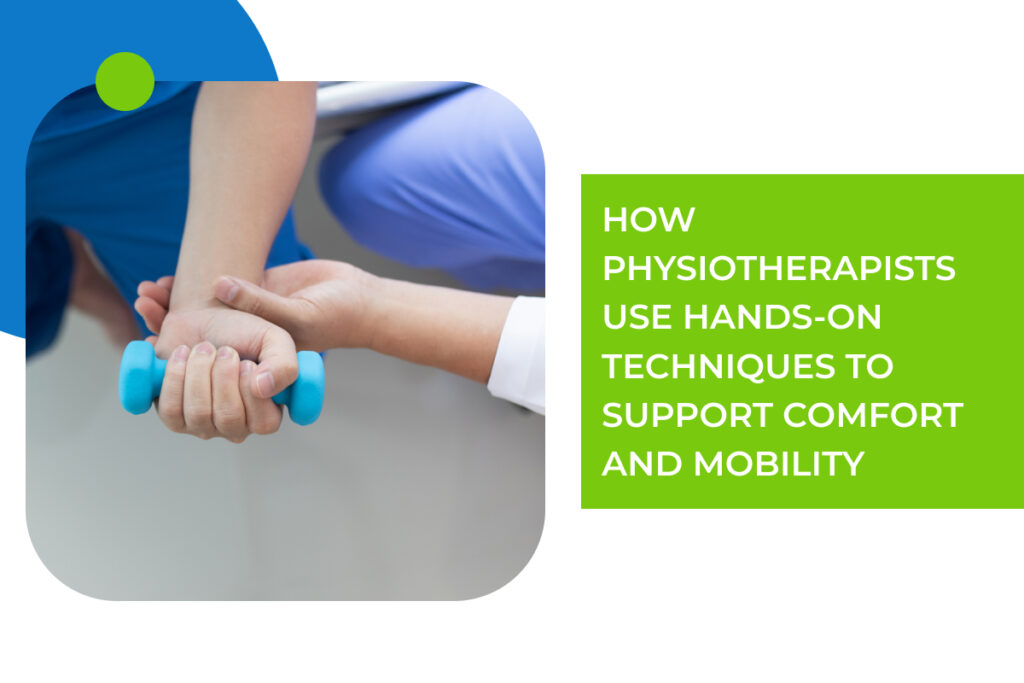
When many people think about physiotherapy, exercise is often the first thing that comes to mind. While movement and strengthening are an important part of care, hands-on techniques can also play a meaningful role in supporting comfort and mobility. For individuals who feel stiff, restricted, or unsure about certain movements, gentle manual therapy can help create a sense of ease and confidence in how the body moves.
At Beverly Physiotherapy in Winnipeg, hands-on care is always used thoughtfully and respectfully. These techniques are not about forcing change or pushing the body beyond its limits. Instead, they are designed to support natural movement, promote tissue health and healing and improve comfort with daily movements and activities.
What Manual Therapy Means in Physiotherapy
Manual therapy refers to hands-on techniques used by physiotherapists to support movement and physical comfort. These approaches are guided by a detailed assessment and are adapted to each individual’s needs, preferences, and comfort level.
Rather than focusing on a single area in isolation, manual therapy looks at how different parts of the body work together. A physiotherapist may use hands-on techniques to help tissues move more freely, reduce feelings of stiffness, or prepare the body for guided movement and exercise. Manual therapy is often combined with education and movement-based strategies to support both short-term comfort and long-term mobility.
Soft Tissue Techniques: Supporting Ease in Muscles and Movement
Soft tissue techniques focus on muscles, connective tissue, and the surrounding structures that support movement. Everyday activities such as sitting for long periods, repetitive motions, stress, or changes in activity levels can sometimes contribute to areas feeling tight or uncomfortable.
A physiotherapist may use gentle pressure, slow movements, or sustained holds to help tissues relax and move more comfortably. These techniques are applied carefully and adjusted throughout the session based on how your body responds. The goal is not to create discomfort, but rather to support circulation, reduce tension, and encourage smoother movement patterns.
Many people find that soft tissue work helps them feel more relaxed and aware of their body, making it easier to move with confidence during daily activities.
Joint Mobilizations: Encouraging Comfortable, Natural Motion
Joint mobilizations are controlled, rhythmic movements applied to a joint within a comfortable range. These techniques are designed to support how joints naturally move, rather than forcing motion or creating strain.
When joints feel restricted, everyday movements such as reaching, walking, or turning can feel more effortful. Gentle joint mobilizations can help encourage ease of movement and support a more fluid range of motion. These techniques are carefully graded, meaning the physiotherapist adjusts the amount and direction of movement to match your comfort level.
Joint mobilizations are often used alongside other physiotherapy approaches, helping prepare the body for movement and reinforcing a sense of stability and control.
Guided Movement: Building Confidence Through Support
Hands-on physiotherapy is not limited to still techniques. Guided movement is another important aspect of care, where a physiotherapist may assist or support you as you move through certain motions. This allows you to explore movement in a safe, supported way.
Guided movement can help improve awareness of how your body moves, support coordination, and reinforce efficient movement patterns. It also provides an opportunity to practice movements that may feel challenging or uncomfortable, with reassurance and feedback along the way.
Over time, this approach can help individuals feel more confident moving independently and applying what they’ve learned to everyday tasks.
A Calm, Collaborative Approach to Care
At Beverly Physiotherapy, hands-on care is always collaborative and individualized. Your physiotherapist takes the time to listen, understand your concerns, and explain what each technique is intended to help with. Sessions are paced carefully, with ongoing communication to ensure you feel comfortable and supported throughout your care.
This approach allows treatment to evolve based on how your body responds, helping you move more comfortably and develop healthier movement habits over time. The focus is on working together to support progress in a way that feels manageable and reassuring.
How Hands-On Care Fits Into a Broader Physiotherapy Plan
Manual therapy is often one part of a comprehensive physiotherapy plan. Alongside hands-on techniques, your physiotherapist may recommend gentle exercises, posture or movement education, and strategies to support progress between visits.
By combining hands-on care with guided movement, exercise and education, physiotherapy aims to support both immediate comfort and long-term mobility and function. This balanced approach helps individuals better understand their bodies and feel more confident managing movement in daily life.
Supporting Comfort and Mobility in Winnipeg
If you’re experiencing stiffness, reduced mobility, or uncertainty with movement, hands-on physiotherapy techniques may be a helpful part of your care. Whether you’re recovering from an injury, managing ongoing discomfort, or simply looking to move with greater ease, physiotherapy offers a supportive, personalized approach.
The team at Beverly Physiotherapy in Winnipeg is here to help you feel more comfortable and confident in your movement. Contact us today to learn more or to book an appointment.